Women's Bladder & Urinary Health Supplements: Ingredients, Safety & Buying Guide (2026)
Women's bladder and urinary supplements typically pair cranberry with probiotic strains and botanicals to support urinary comfort and a balanced urinary microbiome. Cranberry has reasonable evidence for reducing recurrent UTI risk in some women. These are support products, not treatments — UTIs, incontinence and bladder leakage need a doctor's assessment.
On this page
What women's bladder & urinary health support means · the problems people try to solve · the best-studied ingredients · the products we've reviewed, compared · safety and who should avoid them · FAQs.
What women's bladder & urinary health support actually means
Women's bladder and urinary supplements aim to support urinary comfort and a balanced urinary microbiome. They typically pair cranberry with probiotic strains and botanicals. Cranberry has reasonable evidence for reducing the risk of recurrent urinary-tract infections in some women. These are support products for general urinary wellness, not treatments for infections, incontinence or bladder conditions.
Common problems people try to solve
Common reasons women look here include a history of recurrent UTIs, a wish to support urinary comfort, and general bladder wellness. It is important to know the limits: an active UTI (with burning, urgency or fever) needs medical care, and bladder leakage has many causes that deserve a proper assessment.
Different problems, different ingredients
'Bladder and urinary' lumps together several issues that don't respond to the same thing. Recurrent urinary tract infections, overactive bladder (urgency and frequency), and pelvic-floor weakness after childbirth are distinct, and an ingredient aimed at one rarely helps another. Cranberry and D-mannose are studied for reducing UTI recurrence, not for urgency; pumpkin-seed and soy-germ extracts are marketed for overactive bladder with limited evidence; and pelvic-floor strength responds to exercise, not capsules. Knowing which problem you actually have is the first step to judging whether a product's ingredients even address it.
The cranberry evidence, honestly
Cranberry is the headline ingredient in this category, and its evidence is real but narrow. The better trials suggest cranberry (particularly standardised for proanthocyanidins, or PACs) can modestly reduce the recurrence of UTIs in women prone to them, probably by stopping bacteria adhering to the bladder wall. What it does not do is treat an active infection — that needs medical assessment and usually antibiotics — and it does little for non-infection urinary symptoms. A burning, painful or bloody urinary symptom is a reason to see a doctor, not to reach for a supplement.
Best-studied ingredients for women's bladder & urinary health
If you compare women's bladder & urinary health products by their ingredients rather than their marketing, a handful of well-researched names come up again and again. Here is what the evidence actually says about each.
Cranberry
Cranberry contains compounds that may stop UTI-causing bacteria from sticking to the bladder wall. The latest evidence suggests it…
Read guide →IngredientProbiotics (Lactobacillus & friends)
Probiotics are live microorganisms that can support digestion — but their effects are strain-specific, so the exact strains and do…
Read guide →IngredientBerberine
Berberine is a plant compound studied mainly for blood sugar, cholesterol and related metabolic markers. It has some of the strong…
Read guide →Products we've reviewed in this category
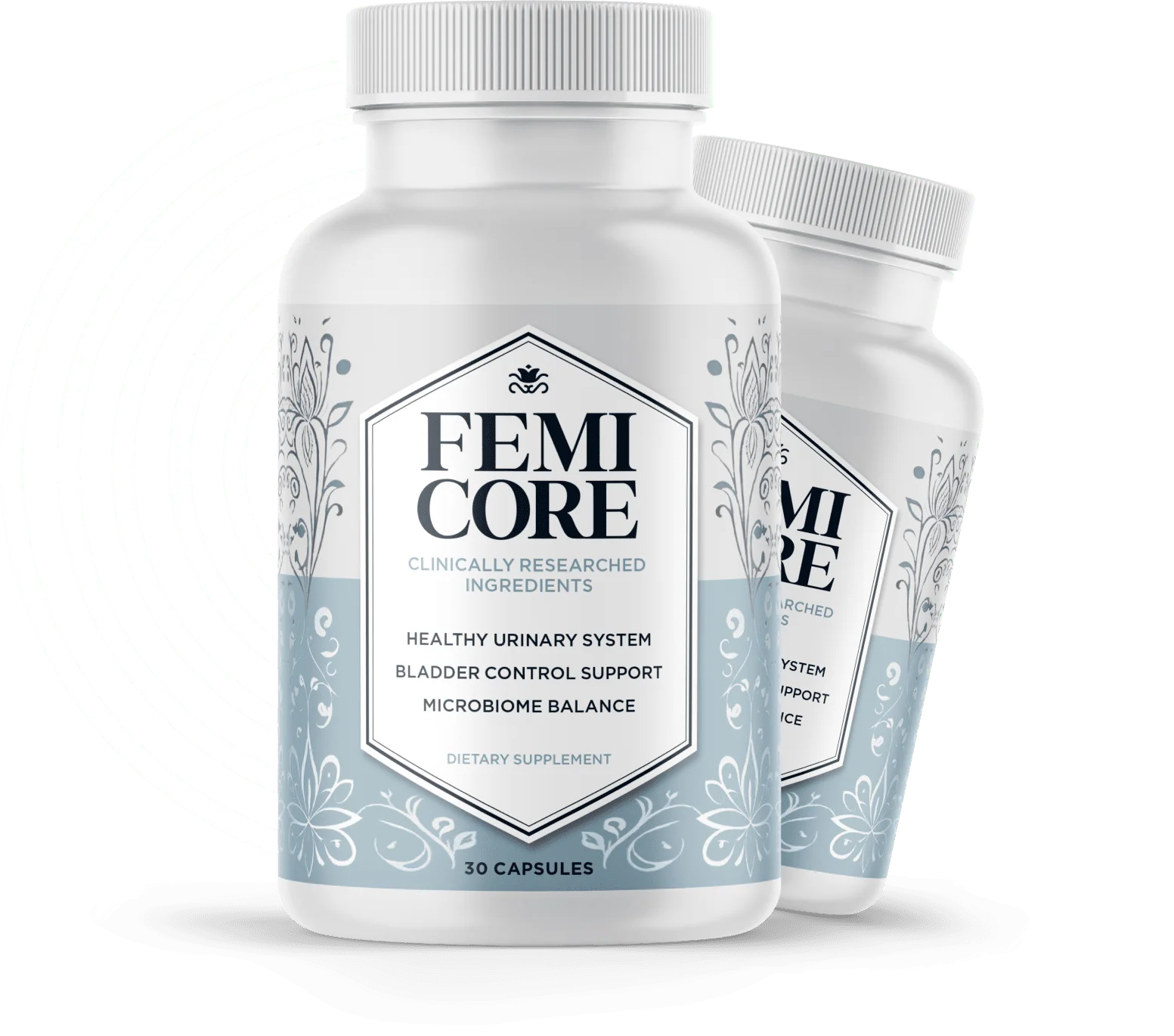
Women's Bladder & Urinary Health supplements compared
A quick side-by-side of the women's bladder & urinary health products we've reviewed so far. Prices and guarantees are set by sellers and change, so confirm them on the official page.
| Product | Key ingredients | Price from | Guarantee | Best for |
|---|---|---|---|---|
| Femicore | Five Lactobacillus strains, Cranberry extract, Bearberry (uva-ursi) | About $69 for one bottle | 60-day money-back guarantee | Women wanting daily support for bladder comfort and urinary microbiome balance |
Safety notes for women's bladder & urinary health supplements
Cranberry and probiotics are generally safe. Cranberry can interact with the blood thinner warfarin, and some women's formulas contain berberine, which interacts with several medications and is not suitable in pregnancy. Always check the full ingredient list against anything you take.
Who should avoid these supplements
Pregnant or nursing women should be cautious, particularly with berberine-containing products. Anyone with symptoms of an active infection should see a doctor rather than relying on a supplement, and recurrent UTIs deserve a medical work-up.
What to check before buying a women's bladder & urinary health supplement
- The label: are per-ingredient doses disclosed, or hidden inside a proprietary blend?
- The evidence: do the main ingredients have research behind them at the doses studied?
- Your medications: check the full ingredient list against anything you take, and ask a pharmacist if you're unsure about interactions.
- The guarantee: confirm the current refund window and terms on the official page, since they change.
- The seller: buy from the official source for a genuine, in-date product with full guarantee protection.
Women's Bladder & Urinary Health: health answers & guides
Background reading that helps you make sense of women's bladder & urinary health supplements before you buy.
What ingredients support healthy blood sugar levels?
From berberine to cinnamon, many ingredients are marketed for blood sugar. Here's which ones have real evidence, which a…
Read →Health answerDo probiotics really help gut health?
Probiotics are everywhere, but the evidence is more nuanced than the marketing. Here's what the research actually suppor…
Read →Health answerDo blood sugar supplements really work?
An honest look at whether blood-sugar supplements lower glucose — which ingredients have evidence, and the safety catch.…
Read →Health answerHow to compare dental health supplements
How to judge oral-health supplements by ingredients and evidence — and what they can never replace.…
Read →Health answerBest ingredients for gut health
Which gut-health ingredients have real evidence — probiotics, prebiotics and fibre — and which claims outrun the science…
Read →Health answerCan supplements help with UTIs and bladder control?
What the evidence says about cranberry, D-mannose and bladder supplements — and when to see a doctor.…
Read →Related guides
Dig into the science on individual ingredients in our ingredient library, weigh products against each other on the comparison hub, or browse all health answers.
Frequently asked questions
Can a supplement treat a UTI?
No. Supplements are not a treatment for urinary-tract infections. A UTI needs medical assessment and often antibiotics — see a doctor.
What helps with bladder leakage?
Leakage has many causes and should be evaluated by a doctor. Pelvic-floor (Kegel) exercises have strong evidence as a first step.
Can a supplement treat a UTI?
No. Supplements are not a treatment for urinary-tract infections. A UTI needs medical assessment and often antibiotics.
Does cranberry actually help?
Research suggests cranberry may help reduce recurrent UTIs in some women, but results are mixed and it is prevention support, not a cure.