Skin & Anti-Aging Supplements: Ingredients, Safety & Buying Guide (2026)
Skin and anti-aging products range from ingestible collagen to topical serums with peptides and antioxidants. Topical serums can improve how skin looks and feels — smoother, more hydrated, temporarily plumper — but they don't replicate procedures like fillers. The strongest evidence for fine lines is for retinoids and daily broad-spectrum sunscreen.
On this page
What skin & anti-aging support means · the problems people try to solve · the best-studied ingredients · the products we've reviewed, compared · safety and who should avoid them · FAQs.
What skin & anti-aging support actually means
Skin and anti-aging products aim to support skin that looks smoother, firmer and more hydrated. They split into two groups: ingestible support such as collagen peptides and antioxidants, and topical products such as serums with peptides, antioxidants and humectants. Both can improve how skin looks and feels, but neither replicates clinical procedures, and the strongest evidence for visible aging remains daily sunscreen and topical retinoids.
Common problems people try to solve
People look to this category for fine lines, dryness, loss of firmness, dullness and uneven texture. It helps to be realistic: supplements and serums can support and improve the look of skin, but sun protection and not smoking do more for long-term skin aging than any single product.
What actually ages skin
Before judging any supplement, it helps to know what drives skin ageing, because most of it isn't a nutrient deficiency. Sun exposure is overwhelmingly the biggest factor — it accounts for the majority of visible ageing — followed by smoking, sleep, and overall diet. That ordering matters: a collagen or antioxidant supplement works at the margins, while daily sun protection works at the centre. Any product implying it can reverse ageing while you skip sunscreen is selling the small lever and ignoring the big one.
Oral versus topical, and realistic expectations
Skin ingredients behave very differently taken by mouth versus applied to skin. Collagen peptides and antioxidants taken orally have modest trial evidence for elasticity and hydration over weeks to months; the same-named ingredient in a cream acts only where applied. Bakuchiol is a good example — its skin evidence is topical, not oral. A realistic expectation from oral skin supplements is a subtle improvement in skin feel with consistent use, not a dramatic transformation, and never a substitute for sun protection, not smoking, and sleep.
Best-studied ingredients for skin & anti-aging
If you compare skin & anti-aging products by their ingredients rather than their marketing, a handful of well-researched names come up again and again. Here is what the evidence actually says about each.
Collagen (Hydrolysed Peptides)
Collagen peptides are the most popular skin and joint supplement. There is some genuine trial evidence for modest improvements in …
Read guide →IngredientGreen Tea Extract (EGCG)
Green tea extract concentrates the antioxidant catechins found in green tea, especially EGCG. Drinking green tea is healthy, but c…
Read guide →IngredientGrape Seed Extract
Grape seed extract is rich in antioxidant proanthocyanidins. Its best-supported effect is a modest reduction in blood pressure in …
Read guide →Products we've reviewed in this category
Skin & Anti-Aging supplements compared
A quick side-by-side of the skin & anti-aging products we've reviewed so far. Prices and guarantees are set by sellers and change, so confirm them on the official page.
| Product | Key ingredients | Price from | Guarantee | Best for |
|---|---|---|---|---|
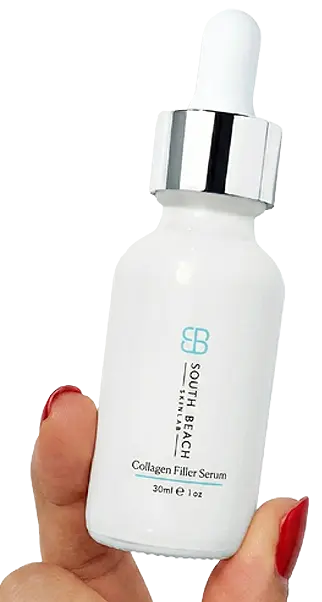
| South Beach Collagen Filler Serum | Soluble collagen, Palmitoyl Tripeptide-5 (SYN-COLL), Algae extract | About $59 per bottle one-time | 30-day money-back guarantee (note: return shipping is at the buyer's expense) | Adults wanting a non-invasive serum for the look of fine lines |
Safety notes for skin & anti-aging supplements
Ingestible collagen and antioxidants are generally well tolerated. Topical serums should be patch-tested first, especially if you have sensitive skin, and active ingredients are best introduced one at a time. Watch for allergies to collagen sources such as fish or bovine.
Who should avoid these supplements
Pregnant or nursing women should check with a doctor before starting new supplements or active skincare. Anyone with a known allergy to a product's source ingredient should avoid it, and persistent or changing skin lesions should be seen by a dermatologist.
What to check before buying a skin & anti-aging supplement
- The label: are per-ingredient doses disclosed, or hidden inside a proprietary blend?
- The evidence: do the main ingredients have research behind them at the doses studied?
- Your medications: check the full ingredient list against anything you take, and ask a pharmacist if you're unsure about interactions.
- The guarantee: confirm the current refund window and terms on the official page, since they change.
- The seller: buy from the official source for a genuine, in-date product with full guarantee protection.
Skin & Anti-Aging: health answers & guides
Background reading that helps you make sense of skin & anti-aging supplements before you buy.
How to compare weight-loss supplements
Weight-loss supplements are the most hype-prone category there is. Here's a practical, honest checklist for comparing th…
Read →Health answerCan collagen supplements support skin elasticity?
Collagen supplements are marketed hard for youthful skin. Here's what the research actually suggests about skin elastici…
Read →Health answerCan supplements support hearing health?
The honest evidence on hearing and tinnitus supplements — why it's weak, and what actually helps.…
Read →Health answerBest vitamins and ingredients for eye health
Which eye nutrients have real evidence — the AREDS2 core — and what supplements can't do for your vision.…
Read →Health answerBest ingredients for skin and anti-aging
Which skin supplements have real evidence — collagen, antioxidants, vitamin C — and the one factor that beats them all.…
Read →Health answerHow long do supplements take to work?
Realistic timelines for when supplements show effects — and why instant-results claims are a red flag.…
Read →Related guides
Dig into the science on individual ingredients in our ingredient library, weigh products against each other on the comparison hub, or browse all health answers.
Frequently asked questions
Do anti-aging serums actually reduce wrinkles?
They can improve the appearance of fine lines and skin texture. They don't structurally remove wrinkles the way an in-office procedure might.
What has the best evidence for aging skin?
Daily sunscreen and topical retinoids have the strongest research behind them for prevention and fine lines.
Does collagen really help skin?
Oral collagen peptides have some supportive research for skin hydration and elasticity, though many studies are industry-funded. Topical collagen mainly hydrates the surface.
What has the best evidence for aging skin?
Daily broad-spectrum sunscreen and topical retinoids have the strongest research behind them for prevention and fine lines.