Gut & Digestive Health Supplements: Ingredients, Safety & Buying Guide (2026)
Gut and digestive supplements usually combine probiotics, prebiotics and digestive herbs to support a balanced microbiome, regularity and comfort. Probiotics and fibre have reasonable evidence for digestion; the 'detox' and rapid weight-loss claims often attached to them generally don't. Watch for stimulant-laxative ingredients, which aren't meant for long-term daily use.
On this page
What gut & digestive health support means · the problems people try to solve · the best-studied ingredients · the products we've reviewed, compared · safety and who should avoid them · FAQs.
What gut & digestive health support actually means
Gut and digestive health covers how comfortably and regularly your digestive system works, and the balance of the trillions of microbes living in it. Supplements here usually combine probiotics (beneficial microbes), prebiotics (the fibre that feeds them) and digestive enzymes or herbs. The aim is to support regularity, ease occasional bloating and maintain a balanced gut microbiome, rather than to treat any digestive disease.
Common problems people try to solve
Common reasons people look for gut support include occasional bloating, irregularity, gas and a general feeling of sluggish digestion, sometimes after antibiotics or dietary changes. Persistent or severe symptoms, blood in the stool, unexplained weight loss or ongoing pain are different, and they need a doctor rather than a supplement.
Probiotic, prebiotic, fibre — what's the difference
These three get blurred in marketing but do different jobs. Probiotics add live microbes; their effects are strain-specific, so the named strain matters more than a big CFU number. Prebiotics (like inulin) are fibres that feed the microbes you already have — useful, though they can cause gas at first. Plain dietary fibre and fermented foods support gut balance directly and, for many healthy people, do more day-to-day than a capsule. Knowing which of the three a product actually provides tells you what it can and can't do.
When digestive symptoms need a doctor, not a supplement
Gut supplements are for general support, not for diagnosing problems away. Persistent symptoms deserve medical attention rather than self-treatment: ongoing pain, a marked change in bowel habits, unintended weight loss, difficulty swallowing, or any bleeding are all reasons to see a doctor promptly, because they can signal conditions a probiotic won't fix. Used sensibly alongside a fibre-rich diet, these products are a reasonable add-on; used to delay assessment of red-flag symptoms, they're a liability.
Best-studied ingredients for gut & digestive health
If you compare gut & digestive health products by their ingredients rather than their marketing, a handful of well-researched names come up again and again. Here is what the evidence actually says about each.
Probiotics (Lactobacillus & friends)
Probiotics are live microorganisms that can support digestion — but their effects are strain-specific, so the exact strains and do…
Read guide →IngredientBerberine
Berberine is a plant compound studied mainly for blood sugar, cholesterol and related metabolic markers. It has some of the strong…
Read guide →Products we've reviewed in this category
 Gut & Digestive Health
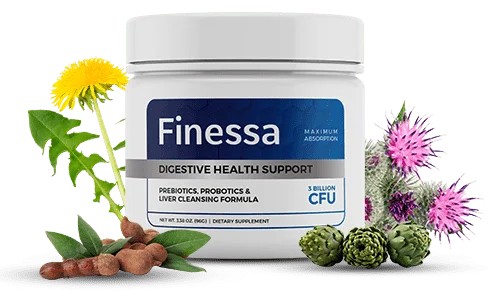
Finessa
Finessa is a capsule supplement that targets the gut-liver axis, combining probiotics, prebiotics and digestiv…
Read review →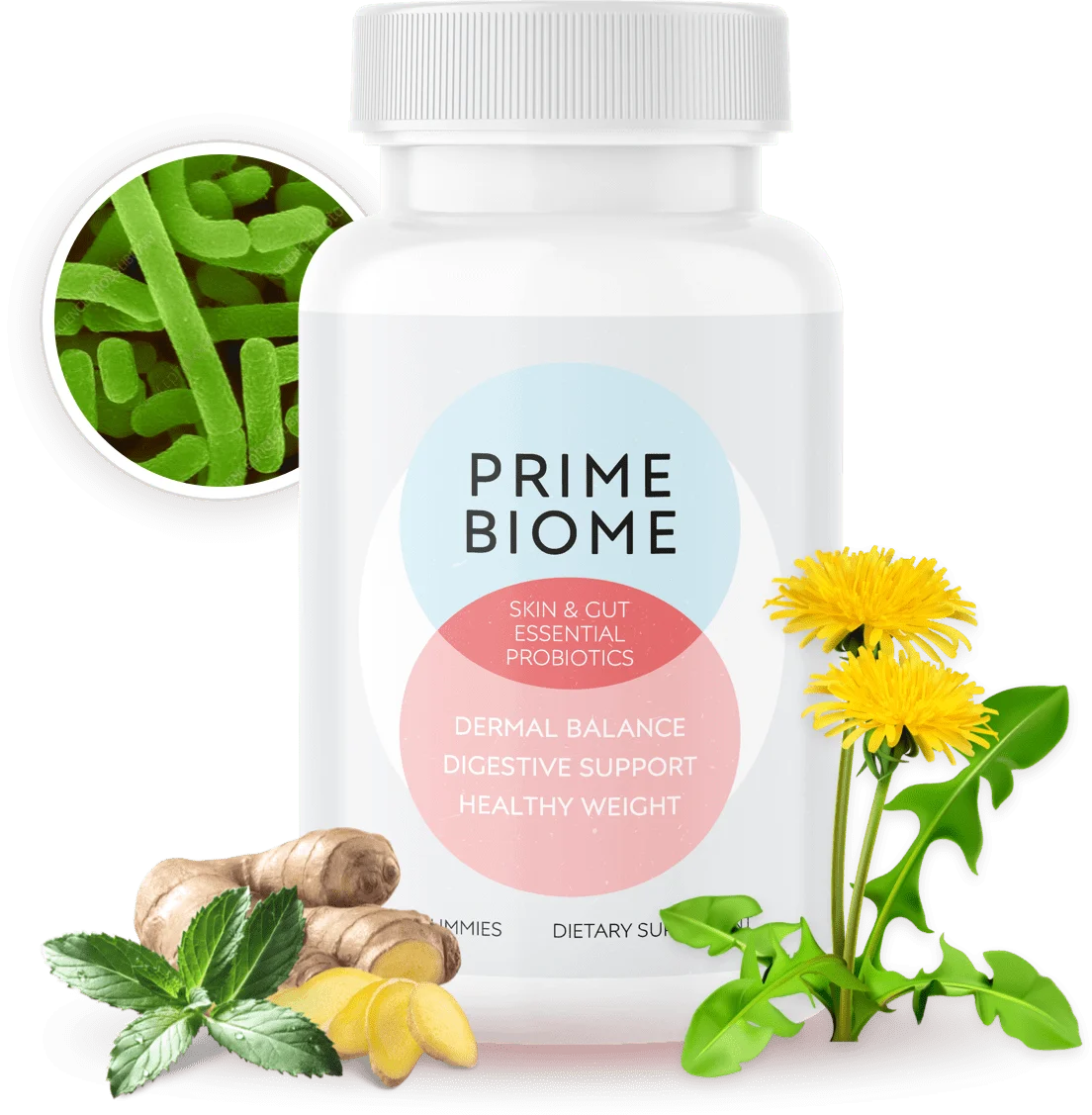 Gut & Digestive Health
PrimeBiome
PrimeBiome is a gut-and-skin gummy built on the spore probiotic Bacillus coagulans plus inulin and botanicals.…
Read review →Gut & Digestive Health supplements compared
A quick side-by-side of the gut & digestive health products we've reviewed so far. Prices and guarantees are set by sellers and change, so confirm them on the official page.
| Product | Key ingredients | Price from | Guarantee | Best for |
|---|---|---|---|---|
| Finessa | Probiotic blend (~3 billion CFU), Prebiotics, Milk Thistle | About $69 for one bottle | 180-day money-back guarantee | Adults wanting daily digestive and gut-microbiome support |
| PrimeBiome | Bacillus Coagulans (~500 million CFU), Inulin, Babchi (Bakuchiol) | Around $49-$69 per bottle depending on the package (per vendor) | 60-day money-back guarantee (per vendor) | Adults wanting a gut-and-skin gummy with a spore probiotic |
Compare gut & digestive health products head-to-head
Weighing two specific gut & digestive health products? These side-by-side comparisons break down formulas, evidence, doses and value to help you decide.
Finessa vs PrimeBiome
Compare →vs popular alternativeFinessa vs Seed DS-01 Daily Synbiotic
Compare →Safety notes for gut & digestive health supplements
Probiotics and fibre are generally safe for healthy adults, though they can cause temporary gas or bloating as the gut adjusts. Watch for stimulant-laxative ingredients (such as cascara or senna) in 'detox' formulas, which are not meant for long-term daily use and can become habit-forming.
Who should avoid these supplements
People who are immunocompromised, seriously ill, or who have a central venous line should check with a doctor before taking probiotics. Anyone relying on stimulant laxatives regularly should speak to a doctor, as ongoing use can affect normal bowel function.
What to check before buying a gut & digestive health supplement
- The label: are per-ingredient doses disclosed, or hidden inside a proprietary blend?
- The evidence: do the main ingredients have research behind them at the doses studied?
- Your medications: check the full ingredient list against anything you take, and ask a pharmacist if you're unsure about interactions.
- The guarantee: confirm the current refund window and terms on the official page, since they change.
- The seller: buy from the official source for a genuine, in-date product with full guarantee protection.
Gut & Digestive Health: health answers & guides
Background reading that helps you make sense of gut & digestive health supplements before you buy.
What ingredients support healthy blood sugar levels?
From berberine to cinnamon, many ingredients are marketed for blood sugar. Here's which ones have real evidence, which a…
Read →Health answerDo probiotics really help gut health?
Probiotics are everywhere, but the evidence is more nuanced than the marketing. Here's what the research actually suppor…
Read →Health answerDo blood sugar supplements really work?
An honest look at whether blood-sugar supplements lower glucose — which ingredients have evidence, and the safety catch.…
Read →Health answerHow to compare dental health supplements
How to judge oral-health supplements by ingredients and evidence — and what they can never replace.…
Read →Health answerBest ingredients for gut health
Which gut-health ingredients have real evidence — probiotics, prebiotics and fibre — and which claims outrun the science…
Read →Health answerCan supplements help with UTIs and bladder control?
What the evidence says about cranberry, D-mannose and bladder supplements — and when to see a doctor.…
Read →Related guides
Dig into the science on individual ingredients in our ingredient library, weigh products against each other on the comparison hub, or browse all health answers.
Frequently asked questions
Can a gut supplement help me lose weight?
The evidence is for digestion and regularity, not direct fat loss. Any weight change is usually from reduced bloating, and results vary.
Are probiotics safe to take daily?
For most healthy adults, yes, though benefits are strain-specific. People who are immunocompromised or seriously ill should check with a doctor first.
Can a gut supplement help me lose weight?
The evidence is for digestion and regularity, not direct fat loss. Any weight change is usually from reduced bloating, and results vary widely.
Do I need a probiotic every day?
Not necessarily. Benefits are strain-specific and depend on your situation. A varied, fibre-rich diet supports the gut microbiome for most people without a supplement.