NerveAlive vs Nervora: Which Nerve Health Supplement Should You Buy? (2026)
Both Nervora and NerveAlive are nerve health supplements that promise similar benefits. This honest, side-by-side comparison looks at their ingredients, the evidence behind them, safety, price and guarantee — so you can decide which fits you, without the hype.
Quick verdict
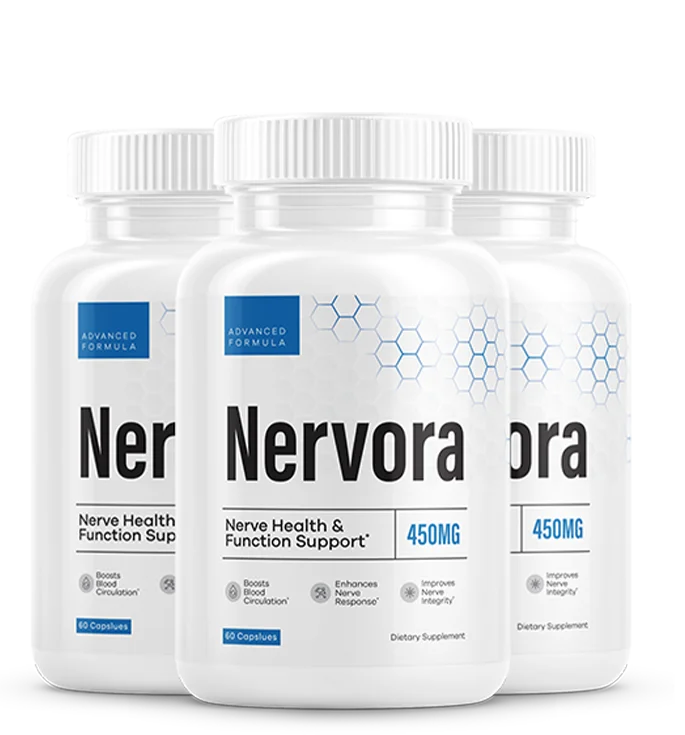
Nervora A sensibly built nerve-support blend — its three core nutrients are genuinely research-backed. Treat it as evidence-informed nutritional support, not a proven treatment, and if you're diabetic or on b…
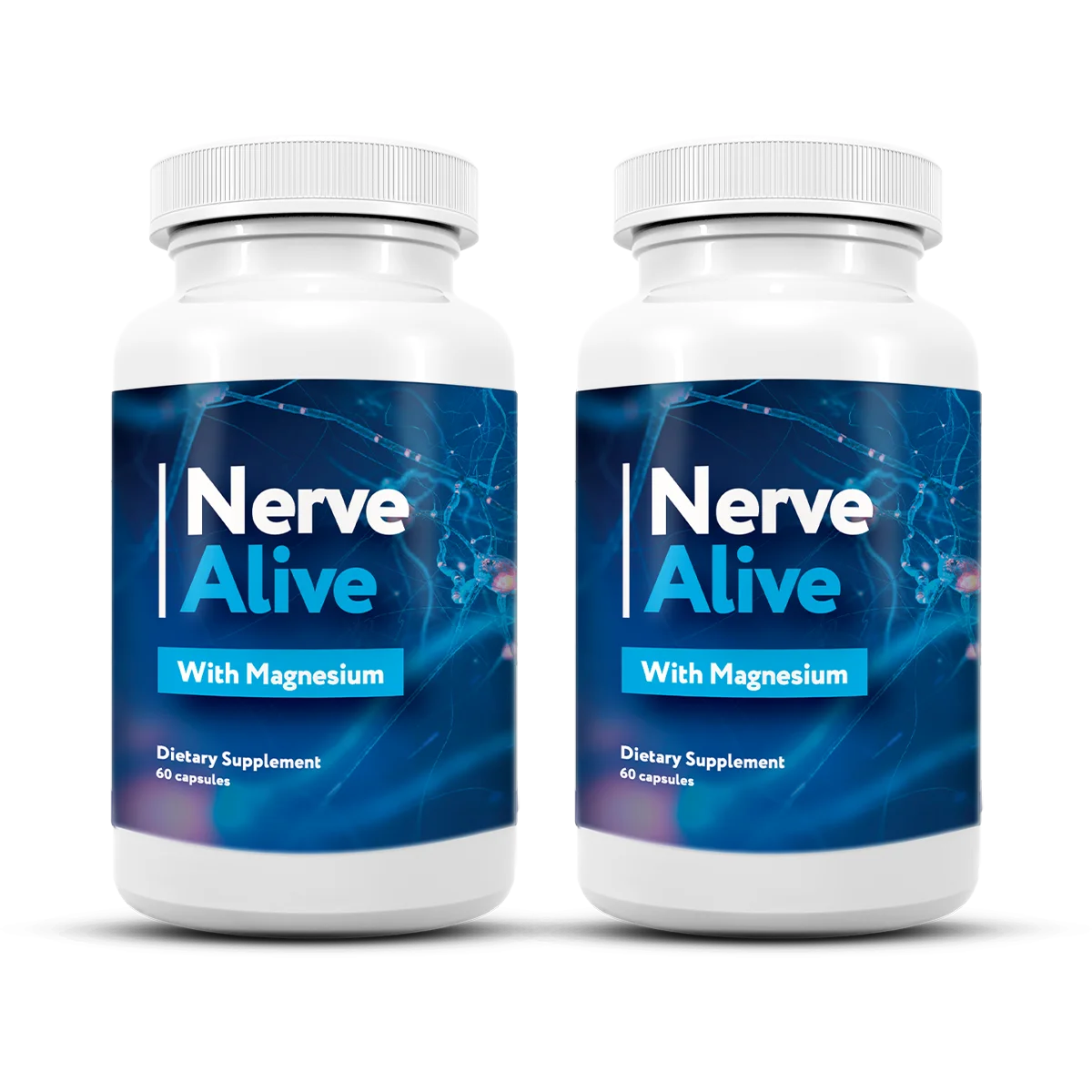
NerveAlive NerveAlive is one of the more credibly formulated products in the nerve-support niche, precisely because it leans on the four ingredients that actually have nerve research — alpha-lipoic acid, benfoti…
Neither is a treatment for any condition. If you take medication or have a health condition, check with a doctor before choosing either.
Side-by-side comparison
| Feature | Nervora | NerveAlive |
|---|---|---|
| Best for | Adults wanting daily nutritional support for nerve comfort and function | Adults with tingling, numbness or nerve discomfort who want nutritional nerve support alongside medical care |
| Form | Capsules | Capsules |
| Key ingredients | Alpha-Lipoic Acid (ALA), Benfotiamine (Vitamin B1), Vitamin B12 | Alpha-Lipoic Acid, Benfotiamine, Vitamin B12, Acetyl-L-Carnitine |
| Dose transparency | Proprietary blend — per-ingredient doses not fully disclosed | Proprietary blend — per-ingredient doses not fully disclosed |
| Price from | About $69 for one bottle | Around $49-$69 per bottle depending on the package (per vendor) |
| Guarantee | 60-day money-back guarantee | Money-back guarantee offered by the vendor — confirm the current window on the official page |
| Made in (per vendor) | USA, in an FDA-registered, GMP-certified facility | Made in the USA in an FDA-registered, GMP-certified facility (per vendor) |
Ingredient comparison
The clearest way to separate two nerve health supplements is to look past the marketing and compare what's actually in them.
Nervora ingredients
- Alpha-Lipoic Acid (ALA) — a potent antioxidant studied for nerve symptoms; trials typically use ~600 mg/day (PMID 22439935)
- Benfotiamine (Vitamin B1) — a fat-soluble B1 form that supports nerve energy metabolism; studied at 300–600 mg/day (PMID 16940835)
- Vitamin B12 — essential for the myelin sheath and nerve signalling; deficiency is a known cause of neuropathy (PMID 33530881)
NerveAlive ingredients
- Alpha-Lipoic Acid — antioxidant with genuine randomised-trial evidence for easing diabetic nerve symptoms
- Benfotiamine — well-absorbed vitamin B1 derivative studied for diabetic nerve support
- Vitamin B12 — essential for nerve insulation; deficiency is a treatable cause of neuropathy
- Acetyl-L-Carnitine — supports nerve-cell energy, studied for diabetic nerve pain
- Turmeric Root Extract — curcumin, included for anti-inflammatory support
- Magnesium — mineral involved in normal nerve and muscle function
- Feverfew — herb included for its anti-inflammatory reputation
- Passionflower — calming herb traditionally used for relaxation
Nervora The exact per-ingredient doses aren't published, so they can't be matched to research doses, and the finished blend itself hasn't been clinically tested. View it as evidence-informed support, not a proven treatment. NerveAlive It is not established that NerveAlive, as a specific blend at its undisclosed doses, repairs nerves or reverses neuropathy. Claims of healing or regenerating nerves go beyond the evidence; the supplement is best viewed as support for symptoms.
Benefits comparison
What Nervora may support
- May support healthy nerve function and signalling
- Antioxidant support for nerve cells (alpha-lipoic acid)
- May support circulation to the nerves and steady daily energy
What NerveAlive may support
- Built around the nerve ingredients with the best research (alpha-lipoic acid, benfotiamine, B12, acetyl-L-carnitine)
- May ease tingling, numbness and burning as nutritional support over time
- B12 corrects a genuine, treatable cause of nerve symptoms where deficiency exists
- Vendor offers a money-back guarantee
Ingredient overlap: shared vs unique
A useful way to judge two nerve health supplements is to see how much they actually have in common. Shared ingredients: Vitamin B12. Only in Nervora: Alpha-Lipoic Acid (ALA), Benfotiamine (Vitamin B1). Only in NerveAlive: Alpha-Lipoic Acid, Benfotiamine, Acetyl-L-Carnitine, Turmeric Root Extract, Magnesium, Feverfew, Passionflower. Where two products share most of their formula, the practical difference often comes down to price, guarantee and dosing transparency rather than the ingredients themselves — and where they differ, the unique ingredients are where you should focus your research.
Evidence comparison
Marketing aside, here is how the evidence behind each formula actually stacks up.
Nervora: Its three core nutrients are genuinely research-backed for nerve health — ALA and benfotiamine both have randomised trials (largely in diabetic neuropathy), and B12 is essential for healthy nerves.
NerveAlive: The formula's strength is its core ingredients. Alpha-lipoic acid has genuine randomised-trial evidence for easing diabetic nerve symptoms; benfotiamine has smaller supportive trials; B12 deficiency is a well-recognised, treatable cause of neuropathy; and acetyl-L-carnitine has some evidence for diabetic nerve pain. Turmeric, magnesium, feverfew and passionflower have weaker or unrelated evidence. As with similar products, the finished blend has not itself been clinically tested and the doses are not disclosed, so the honest read is 'made of researched ingredients' rather than 'a proven product'.
In both cases the finished blend itself hasn't been clinically tested and the per-ingredient doses aren't disclosed, so the honest read for either product is "built from researched ingredients" rather than "a proven product."
Safety comparison
Nervora: Generally well tolerated. The most important caution: alpha-lipoic acid can lower blood sugar, so anyone with diabetes or on blood-sugar/insulin medication should consult a doctor first to avoid hypoglycaemia. Not for those pregnant, nursing or under 18 without medical guidance.
NerveAlive: NerveAlive's core ingredients are generally well tolerated. The most important caution is that alpha-lipoic acid can lower blood sugar, so people on diabetes or insulin medication should use it under medical supervision to avoid hypoglycaemia. Turmeric in concentrated form can affect clotting and, rarely, the liver; magnesium can loosen stools at higher doses; and passionflower may add to the effect of sedatives. As doses are undisclosed, the strength of these effects is hard to predict. Persistent or worsening nerve symptoms should always be assessed by a doctor, since some causes need specific treatment.
Who should avoid each
Nervora: Anyone with diabetes or on blood-sugar medication (without a doctor's sign-off), pregnant or nursing women, and under-18s. Persistent or worsening nerve symptoms need a doctor, not a supplement.
NerveAlive: People on diabetes or insulin medication (unless supervised, due to alpha-lipoic acid's blood-sugar effect), those on blood thinners (turmeric), people taking sedatives (passionflower), and anyone who is pregnant or breastfeeding. New, severe or worsening nerve symptoms need medical assessment rather than self-treatment, as some causes are serious and treatable.
If either list applies to you — or if you're pregnant, breastfeeding, take regular medication or manage a health condition — that's a strong reason to speak with a doctor or pharmacist before choosing either product.
Price & refund comparison
Nervora: About $69 for one bottle, down to roughly $49 per bottle on the 6-bottle option. 60-day money-back guarantee.
NerveAlive: Around $49-$69 per bottle depending on the package (per vendor), with lower per-bottle pricing on bundles. Money-back guarantee offered by the vendor — confirm the current window on the official page.
Pricing and guarantee terms are set by the sellers and change often, so confirm the current offer on each official page before buying.
How we compared Nervora and NerveAlive
We line these two up on the things that actually decide value: what is in them and at what disclosed dose, what the evidence says about those ingredients, the safety and interaction notes, who each is realistically for, and the price and guarantee. We do not test products in a lab, and neither blend has been clinically trialled as sold, so this is an evidence-informed comparison of disclosed information rather than a claim that either is proven. Where a product hides doses inside a proprietary blend, we say so, because it limits what anyone can honestly conclude.
Strengths and trade-offs
No supplement is all upside. Here is the honest balance for each, drawn from their formulas, disclosure and value rather than their marketing.
Nervora — strengths
- Core ingredients (ALA, benfotiamine, B12) have real nerve-health research
- Made in a US FDA-registered, GMP facility; clean, stimulant-free formula
- 60-day money-back guarantee
Nervora — trade-offs
- Exact per-ingredient doses are not published
- Finished product isn't clinically tested; results take weeks
- Not suitable for diabetics without a doctor's sign-off
NerveAlive — strengths
- Built on the four nerve ingredients with the best research (ALA, benfotiamine, B12, acetyl-L-carnitine)
- Sensible, mechanism-matched formula for nerve comfort
- B12 addresses a genuine, treatable cause of nerve symptoms
- Money-back guarantee available
NerveAlive — trade-offs
- Proprietary blend — individual ingredient doses are not disclosed
- Alpha-lipoic acid can lower blood sugar (caution with diabetes medication)
- Not a cure for neuropathy; the underlying cause still needs medical care
- Guarantee window stated inconsistently across vendor pages — confirm before buying
How each is designed to work
Nervora: Nervora takes a multi-nutrient approach to nerve health: alpha-lipoic acid acts as an antioxidant that reduces oxidative stress and supports blood flow to nerves; benfotiamine supports nerve energy metabolism and helps blunt glucose-driven nerve stress; and vitamin B12 helps maintain the myelin sheath that insulates nerves. The effect is gradual and supportive, not an instant fix.
NerveAlive: NerveAlive targets the mechanisms behind nerve discomfort. Alpha-lipoic acid is a potent antioxidant that reduces the oxidative stress involved in diabetic nerve damage and may improve blood flow to nerves; benfotiamine is a well-absorbed form of vitamin B1 that helps clear harmful glucose byproducts; B12 is essential for the myelin sheath that insulates nerves, and its deficiency is a recognised, treatable cause of neuropathy; and acetyl-L-carnitine supports nerve-cell energy and may aid nerve fibres. Turmeric, magnesium, feverfew and passionflower add anti-inflammatory and calming support. The aim is to ease symptoms and support nerve health over weeks of use.
Both mechanisms are plausible on paper. The real question is not whether the theory sounds good — it usually does — but whether the specific ingredients are present at the doses research actually used, which a proprietary blend can obscure.
Format and practical details
| Detail | Nervora | NerveAlive |
|---|---|---|
| Form | Capsules (taken by mouth), 60 per bottle | Capsules (dietary supplement) |
| Serving | Take as directed on the label (typically two capsules daily with water) | Daily capsules — see the label for the exact serving size |
| Made in | USA, in an FDA-registered, GMP-certified facility | Made in the USA in an FDA-registered, GMP-certified facility (per vendor) |
| Best for | Adults wanting daily nutritional support for nerve comfort and function | Adults with tingling, numbness or nerve discomfort who want nutritional nerve support alongside medical care |
Practical fit matters: the form, the daily serving routine and where a product is made can tip a close decision — especially if you prefer capsules over drops, or value a particular manufacturing standard.
Alternatives worth knowing
If neither quite fits, these names come up as alternatives in the same space. Judge them on the same criteria — disclosed doses, evidence, safety and guarantee — not on marketing:
- A doctor's check for reversible causes of nerve symptoms (B12 deficiency, blood sugar, thyroid)
- A standalone alpha-lipoic acid or B-complex at a known dose
- For diabetic nerve symptoms, medical management alongside any supplement
- A doctor's work-up for the cause of nerve symptoms (blood sugar, B12 status, thyroid, medication side effects), which can be specifically treatable
- Single, dose-transparent ingredients (such as a standardised alpha-lipoic acid product) so you know exactly what you're taking
- Reviewing our alpha-lipoic acid, benfotiamine, vitamin B12 and acetyl-L-carnitine guides to judge the formula yourself
Who should choose Nervora?
Nervora may suit you if adults with occasional tingling or numbness, or who want to support nerve health as they age, as nutritional support. Read the full Nervora review for the detail.
Check Nervora price (Official Website)
Who should choose NerveAlive?
NerveAlive may suit you if adults with tingling, numbness or nerve discomfort who want nutritional support and have had their symptoms assessed by a doctor. Read the full NerveAlive review for the detail.
Check NerveAlive price (Official Website)
Final verdict
There's no single winner here — the right pick depends on your priorities. Choose Nervora if adults wanting daily nutritional support for nerve comfort and function; choose NerveAlive if adults with tingling, numbness or nerve discomfort who want nutritional nerve support alongside medical care. Both are best viewed as nutritional support to trial with the safety net of a money-back guarantee, not as proven treatments. Whichever you lean toward, buy from the official source and talk to a doctor first if you take medication.
Frequently asked questions
Is Nervora or NerveAlive better?
Neither is universally 'better' — they suit different priorities. Nervora is geared toward adults wanting daily nutritional support for nerve comfort and function, while NerveAlive is geared toward adults with tingling, numbness or nerve discomfort who want nutritional nerve support alongside medical care. Both are nutritional support, not treatments, and both keep exact doses behind a proprietary blend.
Can I take Nervora and NerveAlive together?
Combining two supplements in the same category isn't usually necessary and can mean overlapping or doubled-up ingredients. Check both labels and speak to a pharmacist before stacking them, especially if you take any medication.
Which has the better guarantee?
Nervora offers 60-day money-back guarantee, and NerveAlive offers money-back guarantee offered by the vendor — confirm the current window on the official page. Confirm the current terms on each official page, as guarantee windows change.
Are these proven to work?
Both rely on ingredients with some research, but the finished blends aren't clinically tested and doses aren't disclosed, so treat them as evidence-informed support with gradual, variable results rather than proven products.
How do I choose between Nervora and NerveAlive?
Start with your goal and match it to each product's focus, then compare the unique ingredients (the shared ones cancel out), the safety notes against your own situation, and the price and guarantee. If they're close, the longer or clearer guarantee is a reasonable tiebreaker.
Do I need a supplement for this at all?
Often not. For many goals, diet, activity, sleep and — where relevant — a doctor's assessment do more than any supplement. Treat these as optional support, not a first resort, and a money-back guarantee lets you test one at low risk.
How long until I see results?
Most users report changes in 3–6 weeks, building over 8–12 weeks. Nerve-support nutrients work gradually, not instantly.
Is Nervora a treatment for neuropathy?
No. It is nutritional support for healthy adults, not a treatment for diagnosed neuropathy. Persistent nerve symptoms need a doctor.
Will NerveAlive work right away?
No. Its researched ingredients act over weeks, so be sceptical of promises of fast relief.
Is it safe with diabetes medication?
Only with medical supervision — alpha-lipoic acid can lower blood sugar, so monitoring matters. Talk to your doctor first.
Both buying links are affiliate links — see our affiliate disclosure.